Compare Local Contractors for Tree Debris Removal Services
Compare local contractors for tree debris removal to define project scope, verify experience, and set clear expectations in writing for a successful job.
Tree debris removal services typically encompass the clearing and disposal of fallen branches, limbs, and other organic material resulting from storms, pruning, or general yard maintenance. These contractors often handle tasks such as safely trimming or cutting back overgrown trees, removing hazardous debris that could pose a risk to property or safety, and hauling away refuse to leave the landscape clean. Depending on the scope, some projects might also include grinding stumps or cleaning up after storm damage, ensuring the property is cleared of excess organic matter and ready for further landscaping or development.
Defining the scope of work is essential to ensure the project meets expectations and avoids misunderstandings. Clearly outlining what debris needs to be removed, whether it includes only specific areas or the entire yard, helps set precise boundaries for the work. Property owners should specify if they require additional services such as pruning, tree trimming, or stump grinding, so that contractors can provide accurate assessments and proposals. Having these details in writing not only clarifies what is included but also helps prevent scope creep and ensures that all parties agree on the work to be performed.
When comparing local contractors for tree debris removal, it’s important to evaluate their experience with similar projects and verify their familiarity with the types of trees and debris common in the area. Checking references or reviews can provide insights into their reliability and quality of work. Property owners should also consider how each contractor plans to approach the job, including safety practices and cleanup procedures. Obtaining detailed, written descriptions of the scope and work plan allows for better comparison and helps ensure that the chosen service provider can meet the specific needs of the property.
Compare local contractors by outlining your project priorities, verifying experience, and setting clear expectations in writing.
- Compare Contractors - review multiple local service providers to find the best match for tree debris removal needs.
- Define Scope - clearly outline the extent of debris removal to ensure all expectations are understood.
- Verify Experience - check the background and past work of local contractors to assess their expertise.
- Set Expectations - confirm details and responsibilities in writing to prevent misunderstandings.
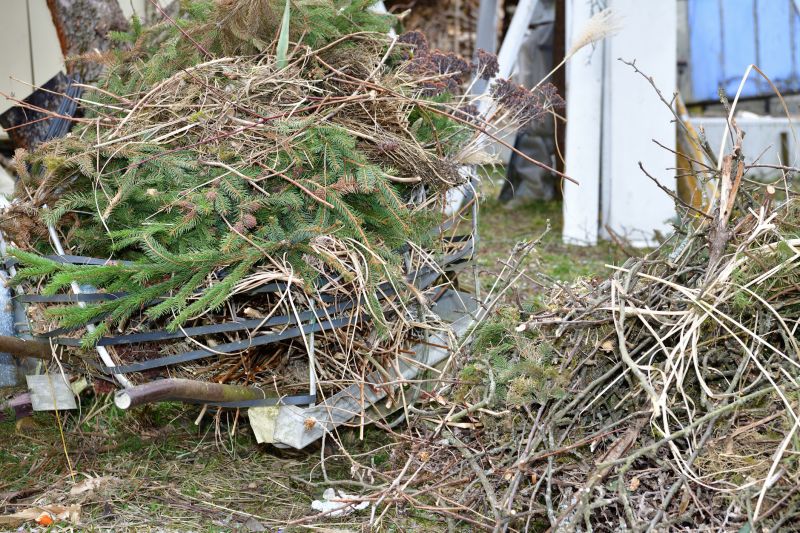
Clearly describing your tree debris removal project helps compare local contractors, define scope, verify experience, and set expectations in writing.
- Verify that the scope of tree debris removal is clearly outlined in the service agreement. - Ensure that the extent of debris removal, including fallen branches and leaves, is specified in writing.
- Compare multiple local contractors to assess their experience with tree debris cleanup projects. - Look for providers with a proven track record in handling similar debris removal jobs.
- Check that the contractor’s estimates detail the work involved and any disposal methods used. - Make sure the scope, cleanup process, and debris disposal are clearly described in the written proposal.
- Confirm that the contractor has appropriate equipment to safely and efficiently remove tree debris. - Evaluate whether the service providers have the necessary tools for the size and type of debris.
- Review the terms regarding cleanup and site restoration after debris removal is completed. - Ensure that expectations for post-job cleanup and site tidiness are documented.
- Compare service providers based on their communication about scope, processes, and written agreements. - Prioritize contractors who provide clear, detailed information to facilitate informed decisions.
Compare local contractors, clarify scope, verify experience, and set clear expectations in writing.
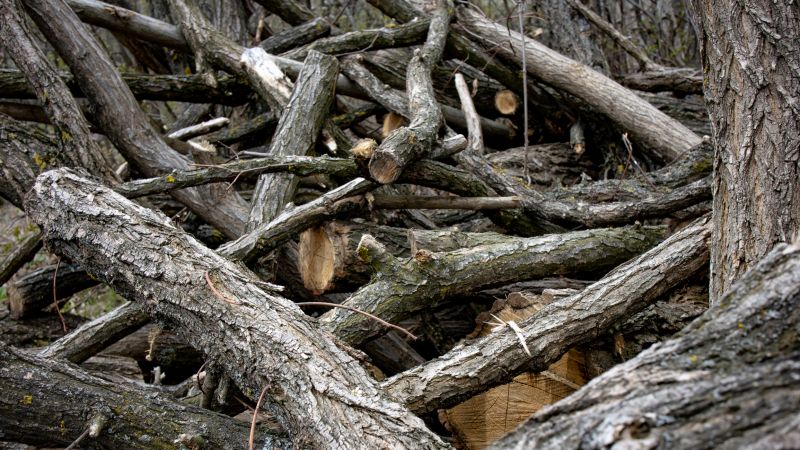
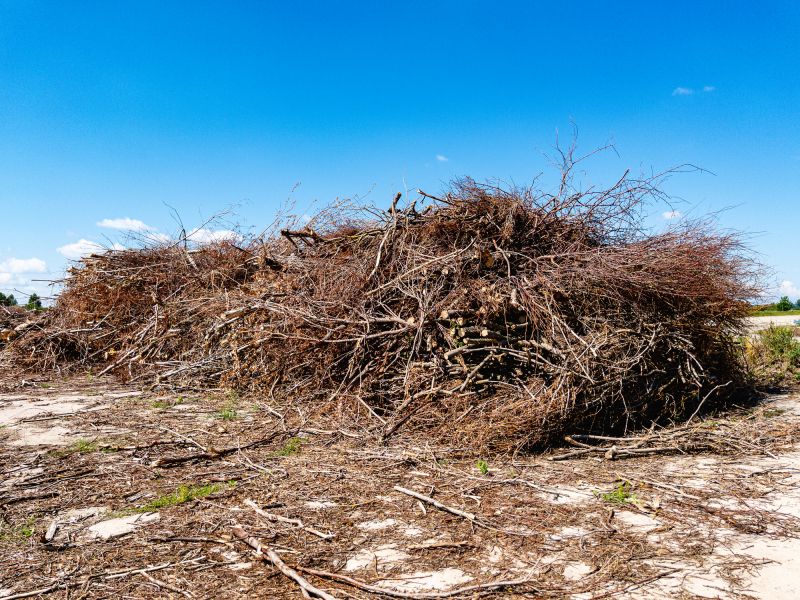
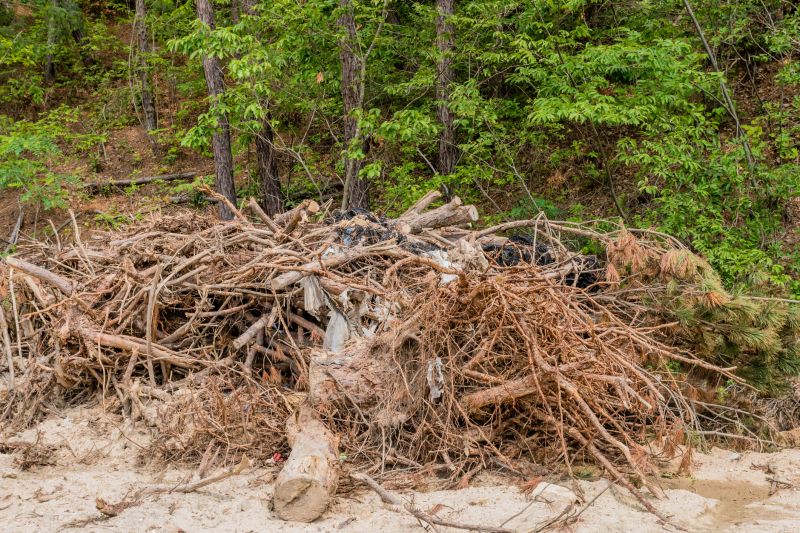

Use clear scope definitions and experience verification to ensure consistent comparisons among local contractors for tree debris removal.
- Scope Definition - Clearly outline the extent of debris removal, including the types and quantities of tree debris to be cleared.
- Experience Verification - Confirm that local contractors have relevant experience handling tree debris removal projects of similar scope.
- Equipment and Methods - Specify the tools, equipment, and techniques that will be used for debris removal to ensure suitability and efficiency.
- Work Area Details - Identify the precise locations and boundaries where debris removal will take place to set clear expectations.
- Post-Removal Cleanup - Define the scope of cleanup after debris removal, including disposal methods and site restoration if applicable.
When comparing contractors for tree debris removal, it’s important to consider their experience with similar projects. Service providers who have a history of handling tree debris, storm cleanup, or landscaping-related work are more likely to understand the specific challenges involved. Inquiring about the types of debris they have managed and the scope of their past projects can help gauge their familiarity with the work required at your property. An experienced contractor can often anticipate potential issues and suggest appropriate solutions, leading to a smoother cleanup process.
A clear, written scope of work is essential when evaluating different contractors. This document should outline the specific tasks to be completed, such as the removal of fallen branches, clearing of yard debris, or disposal methods. Having a detailed scope helps set expectations and ensures that both parties agree on what will be done. It also provides a basis for addressing any questions or concerns before work begins, reducing the chances of misunderstandings or incomplete cleanup.
Verification of a contractor’s background involves checking their credentials and reputation. While licensing and certification are not the focus, it’s useful to review references or customer reviews that highlight their reliability and quality of work. Confirming that a service provider adheres to industry standards and has a track record of completing debris removal projects can provide peace of mind. Asking for examples of recent work or references from previous clients can help verify their ability to handle your specific needs.
Evaluating options without discussing prices involves focusing on a contractor’s experience, scope of work, and communication clarity. Comparing written proposals or estimates can reveal how well each service provider understands your project and whether their approach aligns with your expectations. It’s also helpful to assess how thoroughly they’ve outlined the work and addressed potential challenges. By prioritizing experience, scope clarity, and verification, homeowners can make informed decisions when selecting local contractors for tree debris removal.
Ask for written scope of work to ensure clarity and consistency when comparing local contractors for tree debris removal.
- Scope of Services - What specific debris removal tasks are included and what should be clarified in the scope?
- Experience and Expertise - How can the experience level of local contractors handling tree debris removal be verified?
- Equipment and Methods - What tools and techniques do service providers use to ensure thorough debris removal?
- Work Expectations - How should the scope and process be documented to set clear expectations for the job?
- Comparison Factors - What criteria should be used to compare different local contractors’ approaches and service offerings?
What should I consider when choosing a contractor for tree debris removal? It's important to compare local contractors based on their experience, scope of work, and reputation. Verifying their background and ensuring clear communication can help set expectations for the project.
How can I define the scope of tree debris removal with a contractor? Clearly outline the amount and type of debris to be removed, including any specific areas or trees involved. Providing detailed information helps contractors understand the work needed.
What questions should I ask to assess a contractor's experience? Inquire about their previous projects, years of experience, and familiarity with the types of trees and debris in your area to ensure they are well-equipped for the job.
Why is it important to get the scope of work in writing? Having a written agreement ensures that both parties agree on the work to be done, which helps prevent misunderstandings and provides a reference for the project details.
What are some ways to compare different contractors for debris removal? Review their qualifications, scope of services, and references. Comparing these aspects can help identify which contractor best meets the specific needs of the project.
How can I ensure a contractor understands my expectations? Communicate your project details clearly and ask for a written scope of work. Confirm that the contractor's understanding aligns with your requirements before work begins.
Understanding the key aspects of tree debris removal services helps ensure clear communication and successful project planning. Visitors have learned how to compare local contractors by defining the scope of work, verifying experience, and setting expectations in writing. This approach supports making informed decisions when selecting service providers for tree debris removal needs.
To find the right contractor for the job, use the quote form to explore options available in the area. Comparing local service providers allows for a better understanding of available services and helps identify the best fit for specific project requirements. Taking this step can assist in connecting with experienced contractors who are prepared to handle the work.