Limbs Removal in Honolulu, HI
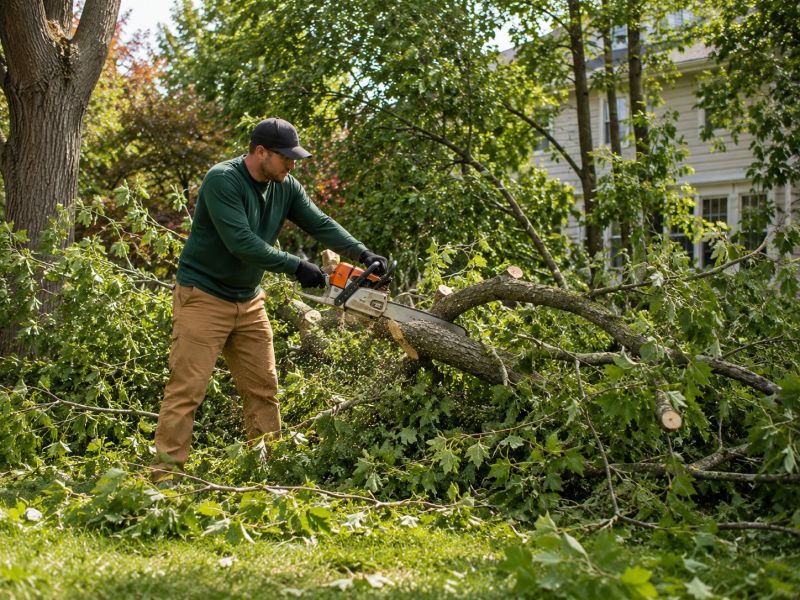
Limbs removal services involve the careful removal of specific branches, limbs, or entire trees to improve the safety, health, or appearance of a property. This type of work typically covers projects such as removing hazardous or dead branches, clearing overgrown trees, or reducing tree size to prevent interference with power lines or structures. Homeowners considering limbs removal often want to understand the scope of the work, including which parts of the tree will be affected, the potential impact on the tree’s health, and any necessary permits or regulations in the area.
Before requesting limbs removal, property owners usually seek clarity on the reasons for removal, the methods used, and the expected outcome. It’s important to consider the condition of the trees, the proximity to buildings or utility lines, and any potential safety concerns. Understanding these factors helps ensure the project aligns with property maintenance goals and local guidelines, leading to a safer and more visually appealing outdoor space.
Many property owners in Honolulu, HI look into Limbs Removal for repairs, replacements, upgrades, and appearance-related improvements.
Types Of Limb Removal Procedures
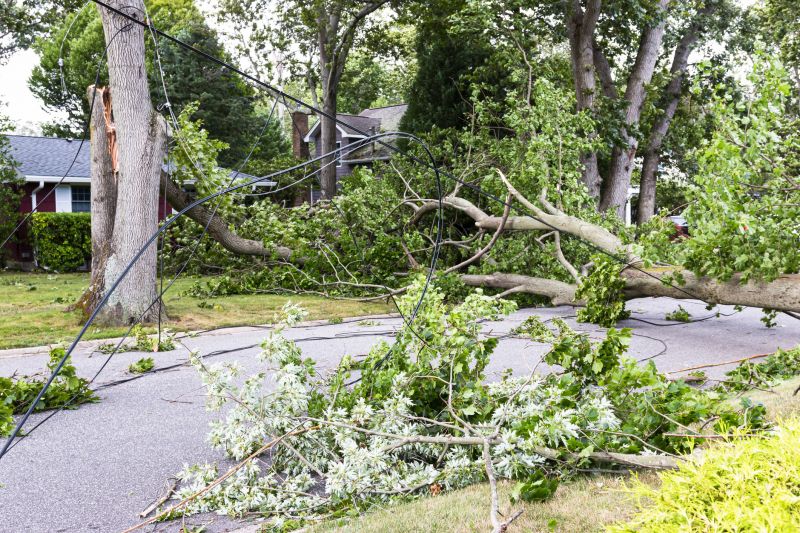
Different procedures are available to address various medical and safety needs.
Preparation And Aftercare
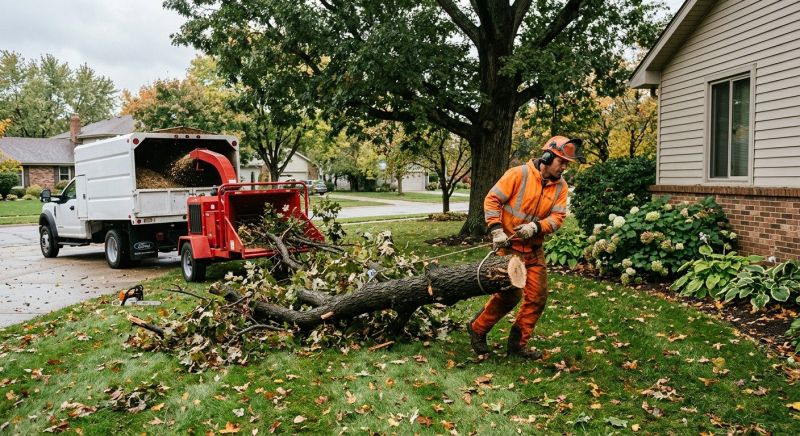
Proper planning and follow-up care are essential for recovery and comfort.
Safety And Compliance
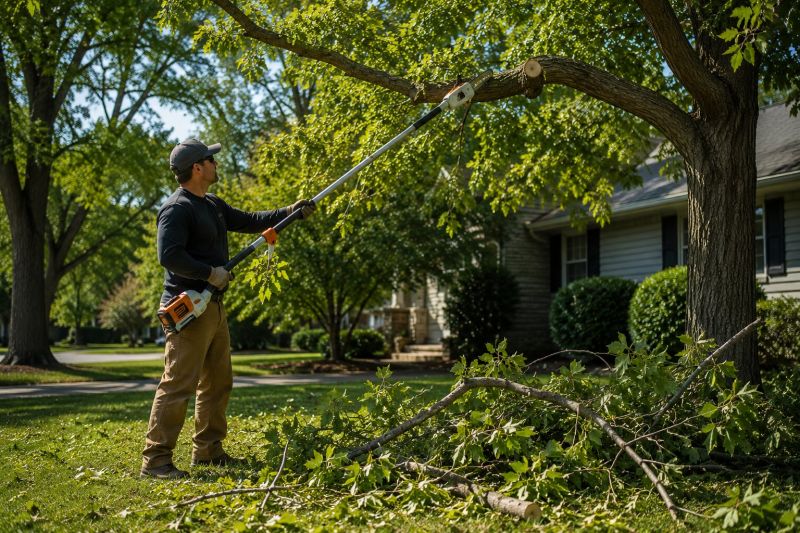
Ensuring procedures meet health standards helps protect patient well-being and property safety.
Limbs Removal in Honolulu, HI
Limbs removal services involve the careful removal of specific branches, limbs, or entire trees to improve the safety, health, or appearance of a property. This type of work typically covers projects such as removing hazardous or dead branches, clearing overgrown trees, or reducing tree size to prevent interference with power lines or structures. Homeowners considering limbs removal often want to understand the scope of the work, including which parts of the tree will be affected, the potential impact on the tree’s health, and any necessary permits or regulations in the area.
Before requesting limbs removal, property owners usually seek clarity on the reasons for removal, the methods used, and the expected outcome. It’s important to consider the condition of the trees, the proximity to buildings or utility lines, and any potential safety concerns. Understanding these factors helps ensure the project aligns with property maintenance goals and local guidelines, leading to a safer and more visually appealing outdoor space.
Many property owners in Honolulu, HI look into Limbs Removal for repairs, replacements, upgrades, and appearance-related improvements.
Common Limbs Removal Jobs
Tree Limb Removal - safely removing broken or overhanging branches to prevent property damage.
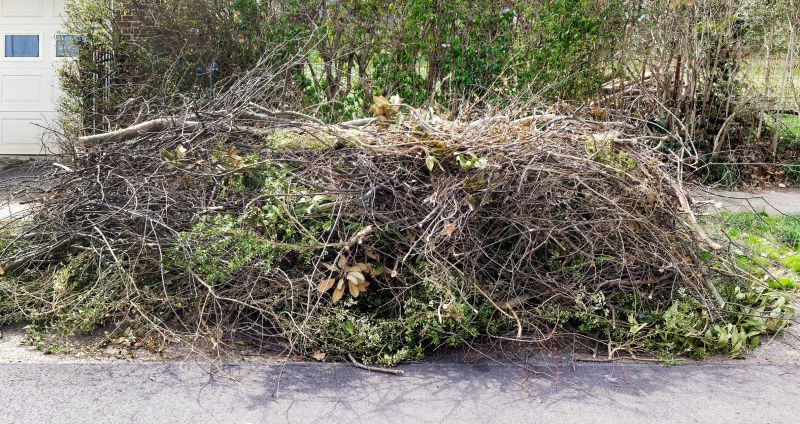
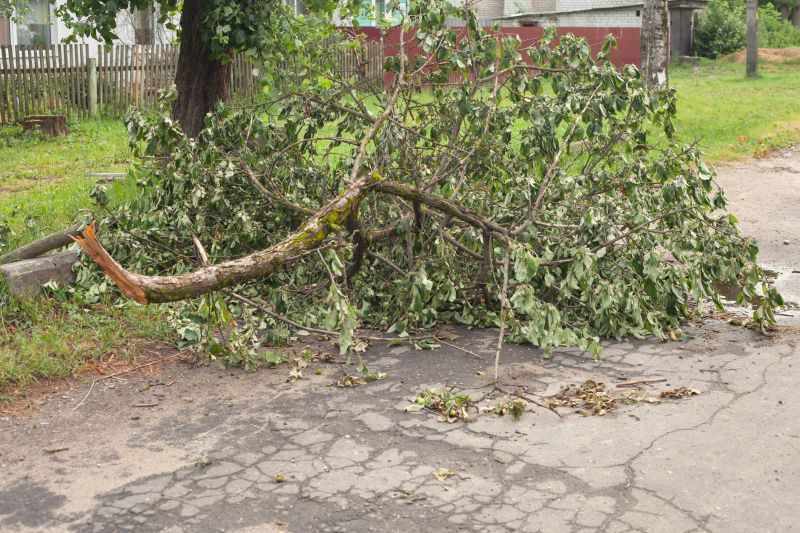
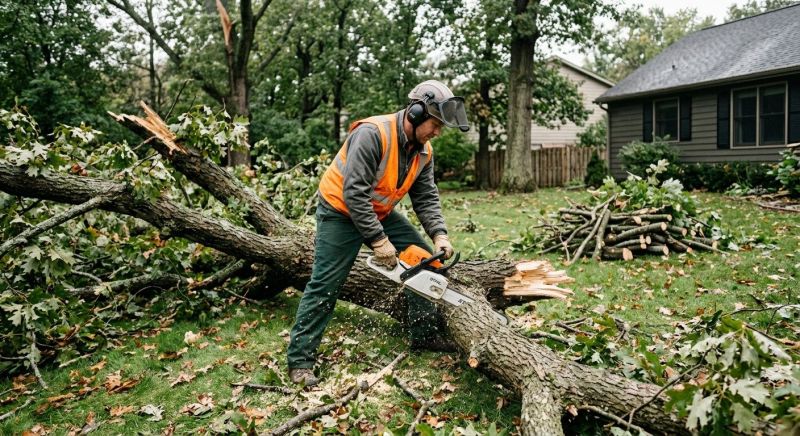
Storm Damage Limb Removal - clearing fallen or damaged limbs after severe weather events.
Emergency Limb Removal - quick removal of hazardous limbs that pose immediate safety risks.
Selective Tree Limb Removal - pruning specific branches to improve tree health and structure.
Utility Line Limb Clearance - trimming limbs to prevent interference with power and communication lines.
Dead or Diseased Limb Removal - removing compromised branches to protect overall tree vitality.
Limbs Removal Questions
What types of limbs removal services are available? Services typically include removal of damaged or diseased limbs to improve safety and health of the property.
Why might property owners request limbs removal? To eliminate hazards, prevent property damage, or prepare for landscaping projects.
Is limbs removal suitable for all trees and plants? Not all trees or plants are appropriate for removal; a professional assessment can determine the best approach.
What should property owners consider before requesting limbs removal? Consider the location of the limbs, potential impact on nearby structures, and the overall health of the tree or plant.
Request Limbs Removal in Honolulu, HI
Use the quote form on this page to share the basics of your project and request more information for the type of work you need.